


What are Medical Bed Pads?
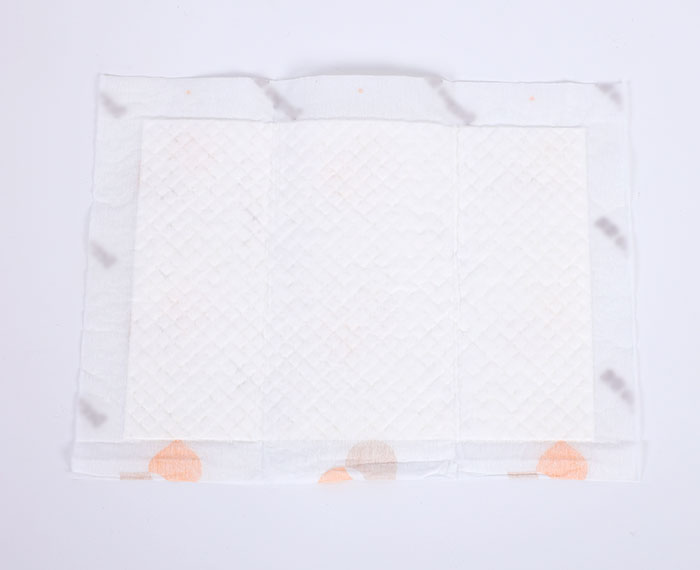
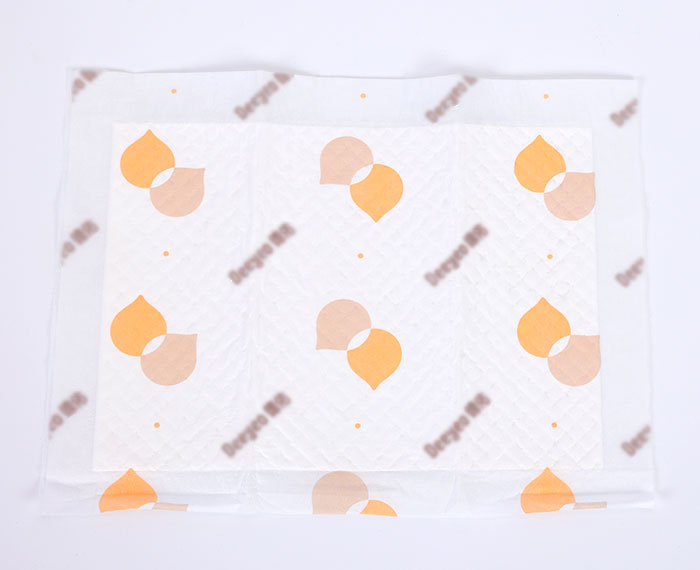
Medical bed pads, also commonly known as underpads, are specially designed absorbent pads used to protect bedding, mattresses, and furniture from moisture and bodily fluids. Despite the different terminology, “medical bed pads” and “underpads” refer to the same product, primarily intended for patient care in hospitals, nursing homes, or home care environments.
Typically, these pads consist of multiple layers: a soft top sheet for comfort, a highly absorbent core to trap fluids, and a waterproof backing to prevent leaks. They come in various sizes and can be either disposable or reusable, providing flexible solutions depending on patient needs. By maintaining dryness and hygiene, medical bed pads play a critical role in ensuring both patient comfort and caregiver convenience.
Why Medical Bed Pads are Important in Patient Care?
Medical bed pads are vital for maintaining hygiene, comfort, and skin health, especially for patients with limited mobility or incontinence issues.
Their primary benefits include:
Moisture Protection: Prevents bedding and mattresses from becoming soiled, reducing laundry demands and protecting expensive bedding.
Skin Care: Prolonged exposure to moisture can cause irritation, rashes, or pressure sores. Bed pads help maintain a dry surface, protecting delicate skin.
Caregiver Convenience: Quick changes of disposable pads streamline routine care and improve overall patient management.
Hygiene Compliance: Essential in hospitals and care facilities to maintain infection control standards.
In short, medical bed pads simplify patient care while promoting safety and comfort, making them an indispensable item for both home caregivers and healthcare professionals.
Design and Structure of Medical Bed Pads
The design of medical bed pads balances absorbency, comfort, and leak protection. Most pads feature three main components:
Top Layer (Comfort and Skin Protection)
Soft, breathable materials such as nonwoven fabrics or cloth-like textures provide comfort while minimizing irritation to sensitive skin.
Absorbent Core (Fluid Management)
Often made of cellulose, polymer crystals, or a combination, the core rapidly absorbs and locks away fluids, preventing leakage and keeping the surface dry.
Waterproof Backing (Leak Prevention)
A thin layer of polyethylene or other waterproof material protects mattresses and furniture from spills, ensuring fluids do not seep through.
Some pads also incorporate quilted or embossed patterns to improve fluid distribution, increase absorbency, and enhance patient comfort. Disposable pads prioritize convenience and hygiene, while reusable pads focus on durability and eco-friendliness, suitable for repeated washing.
How to Choose the Right Medical Bed Pad?
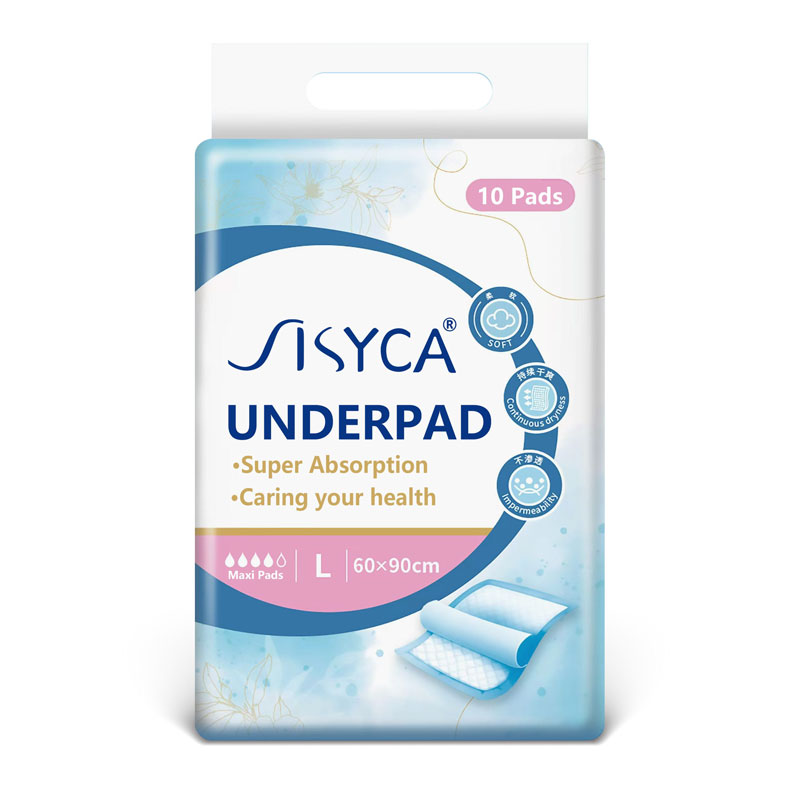
E-Way Disposable Underpads
Selecting the right medical bed pad requires consideration of several factors, depending on patient needs and care settings:
- Size: Standard sizes cover a single bed, while larger or extra-long pads provide full protection for adults or heavier use.
- Absorbency: High-absorbency pads are ideal for heavy incontinence or overnight use; lighter pads suffice for occasional use.
- Disposable vs. Reusable: Disposable underpads offer convenience and hygiene, whereas reusable pads reduce long-term costs and environmental impact.
- Material Preference: Soft, breathable top layers protect skin; waterproof backing ensures leakage prevention.
- Use Setting: For hospital or clinical use, single-use disposable pads are often preferred. Home caregivers may choose a combination depending on laundry resources and patient needs.
Proper selection ensures maximum comfort, hygiene, and protection for both patients and caregivers.
Proper Use and Maintenance of Medical Bed Pads
Correct use and maintenance of medical bed pads are essential to maximize their benefits:
- Placement: Place the pad under the patient in a flat, smooth manner, ensuring coverage in areas most prone to moisture.
- Changing Frequency: Replace pads immediately after they become wet or soiled to maintain dryness and prevent skin issues.
- Cleaning and Storage: Reusable pads should be washed according to manufacturer instructions, usually in warm water with mild detergent, and stored in a dry, ventilated area.
- Disposal: Disposable pads should be discarded in regular waste unless specified otherwise for clinical settings.
Adhering to proper usage ensures both hygiene and longevity of reusable products while safeguarding patient comfort and health.


